For many drivers considering an electric vehicle, one of the first questions is: Where will I charge it? One of the biggest advantages of EV ownership is the ability to fuel where you live. For homeowners with a garage, driveway, or otherwise truly dedicated parking space, the answer is simple: plug your EV in overnight; unplug it in the morning. Thanks to the same wall outlet as an electric dryer, you should have enough charge to get where you need to go. Set it and forget it.
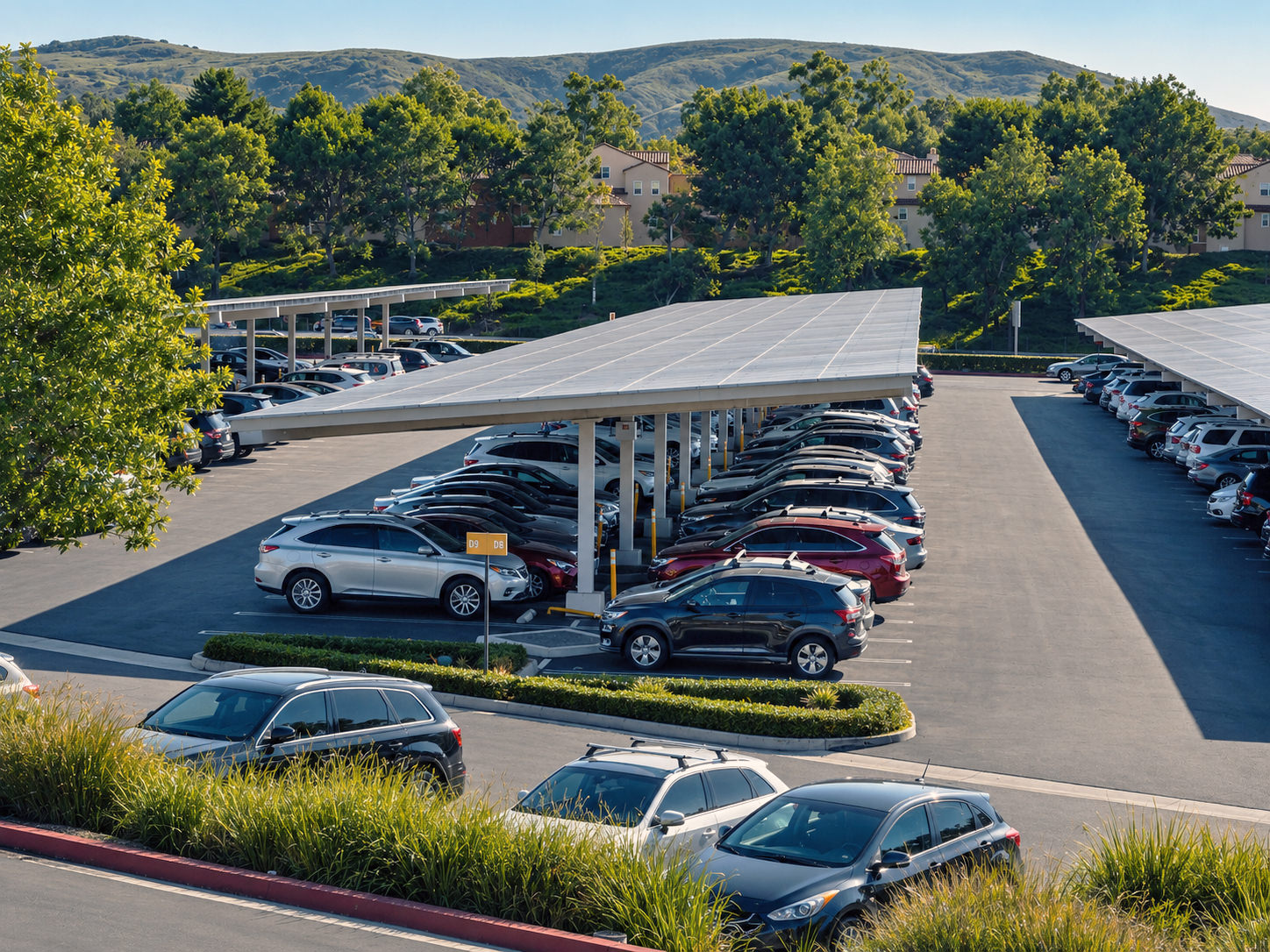
That experience is much harder to replicate for the millions of Americans living in apartments, condominiums, mixed-use dwellings, and other multifamily communities. Instead of plugging in where they park, residents may have to compete for a limited number of shared chargers or rely heavily on public charging. For these EV drivers, the issue becomes more than one of convenience. Reliable home charging can shape whether an EV actually fits into their day-to-day lives. That gap represents one of the EV industry’s biggest untapped opportunities.
As apartment charging moves from a premium amenity toward a more standard feature, the question for property owners is also changing: How do we provide enough charging as more residents go electric? Some states, including Washington State and New Jersey, are already requiring EV charging or EV-ready infrastructure in certain new multifamily developments.
Renters Can ‘Set It and Forget It’
For apartment residents, having access to EV charging is only part of the equation. The experience also needs to work with the way people actually live. That means not having to schedule a day around an open charger, move an EV when another resident needs access or make a separate stop on the way home to ensure enough charge. Ideally, drivers should be able to park where they normally park, plug in, and leave the vehicle there until they need it again.
That is the “set it and forget it” experience Positron Charging ultimately wants to make possible for multifamily residents: charging that happens in the background rather than becoming another task residents have to manage.
The harder question is how to provide that experience across an entire apartment community as the number of EVs grows.
A Scalable Competitive Advantage
One charger is easy. Dozens to hundreds of chargers create a much different problem. Properties have to balance limited electrical capacity, shared parking environments, growing resident demand, infrastructure costs, and long-term scalability.
Installing a handful of chargers may satisfy today’s demand, but a charging strategy that works for 10 vehicles today may not work for 50 vehicles tomorrow. Simply adding more chargers can eventually require significant electrical upgrades, including larger electrical panels, transformer work, or even additional utility infrastructure. That underlying electrical infrastructure is one of the biggest reasons EV charging becomes so expensive at scale.
It’s time to think about the system, not just the charger. This is why many multifamily property owners are looking beyond charger count and focusing on how available electrical capacity is managed across their entire property.
Positron’s power distribution architecture dynamically allocates capacity across connected Level 2 chargers based on where power is needed. The goal isn’t to make one vehicle charge faster, but to improve how the charging systems perform as a whole.
For property owners, that can mean supporting more vehicles without constant infrastructure upgrades as resident demand changes. It can also turn apartment charging from a difficult-to-scale amenity into something that supports daily operations and provides a long-term competitive advantage in the resident experience.
Access in All Homes
Public charging will remain an important part of the EV ecosystem, along with workplace, fleet, and destination charging. For an estimated 80% of EV drivers, though, home is still where charging is most convenient because the vehicle is already parked for hours at a time.
Extending that convenience to apartments and other multifamily communities may be one of the defining challenges for both the EV industry and the multifamily housing industry over the next decade.
The future of EV adoption won’t be determined solely by how many vehicles are sold. It will depend on whether people can conveniently charge, where they live, no matter the setting.